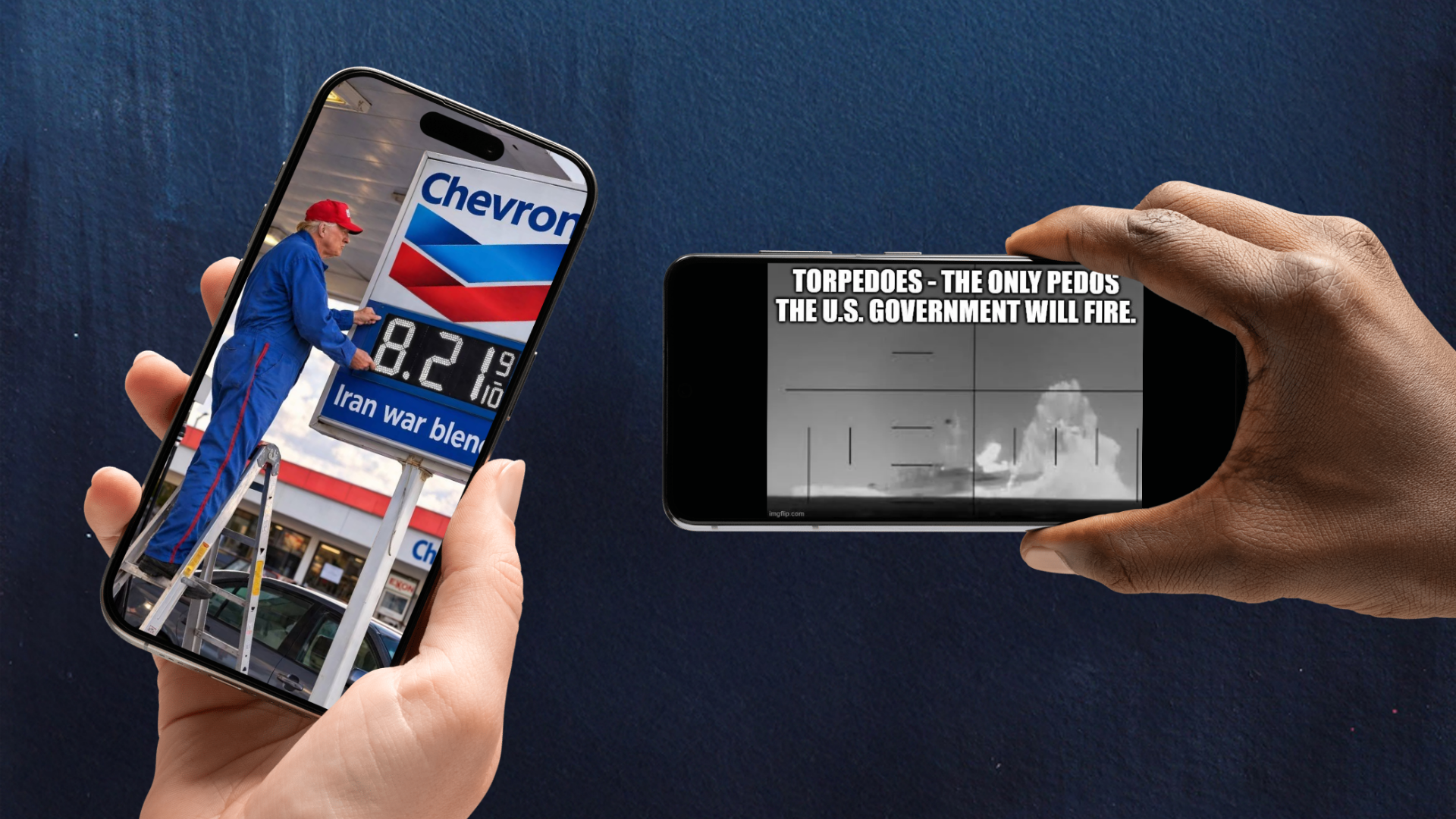
The Digital Battlefield: Memes as a Geopolitical Weapon
In the complex tapestry of modern international relations, the battleground has expanded far beyond traditional military and economic spheres. Today, the very fabric of public perception, both domestic and global, is a fiercely contested domain, and one of its most potent, yet often underestimated, weapons is the internet meme. These seemingly innocuous, humorous, or satirical images and short videos, propagated virally across social media platforms, have evolved into sophisticated tools for political messaging. They bypass traditional media filters, resonate emotionally, and are incredibly effective at shaping narratives, sometimes with profound geopolitical implications.
The phenomenon of Anti-Trump memes is a prime example of this digital phenomenon. While a significant portion of these memes arises organically from grassroots movements, political satire, and public sentiment, state actors are increasingly recognizing and exploiting their power. This article delves into how nations, particularly Iran, have strategically employed anti-Trump memes as a calculated component of their propaganda efforts, aiming to influence both domestic and international audiences, underscore political agendas, and undermine adversaries.
Iran's Strategic Use of Anti-Trump Memes: Case Studies and Objectives
Iran, a nation with a long history of ideological struggle against the United States, has demonstrated a keen understanding of modern information warfare. During Donald Trump's presidency, marked by renewed sanctions, heightened tensions, and the withdrawal from the Joint Comprehensive Plan of Action (JCPOA), Iran's digital propaganda apparatus found fertile ground for deploying targeted messaging. The objective was multifaceted:
- Undermining Credibility and Leadership: A primary goal was to portray Trump as erratic, irrational, and incompetent on the global stage. Memes often exaggerated his perceived gaffes, contradictory statements, or aggressive rhetoric, aiming to erode trust in his leadership among international audiences and sow doubt within the U.S. itself.
- Rallying Domestic Support: For internal consumption, anti-Trump memes served to unify the Iranian populace against a common external enemy. By depicting Trump as an oppressive or foolish adversary, the Iranian government could bolster nationalistic sentiment and distract from internal challenges, presenting itself as a steadfast protector against foreign aggression.
- Shaping International Opinion: Beyond direct adversaries, Iran sought to influence perceptions in other countries, particularly those critical of U.S. foreign policy or sympathetic to Iran's geopolitical stance. These memes aimed to position Iran as a rational actor responding to provocation, contrasting sharply with a caricatured, aggressive U.S. president.
Tactically, Iran's approach to crafting anti-Trump propaganda memes often involved a combination of satire, exaggeration, and the appropriation of existing popular meme formats. For instance, images of Trump might be doctored to place him in absurd or humiliating situations, or text overlays would twist his statements into self-incriminating remarks. These tactics are designed to resonate quickly, evoke strong emotional responses (ridicule, anger, contempt), and be easily shareable across various platforms, from Twitter and Instagram to local messaging apps like Telegram, which are widely used in the region.
Anatomy of a Propaganda Meme: Messaging and Virality
What makes an anti-Trump meme, particularly one designed for propaganda, effective? It boils down to a few key elements that ensure both impact and virality:
- Simplicity and Relatability: The message must be instantly understandable, requiring little to no complex interpretation. It often taps into existing public sentiment or biases, making it relatable to a broad audience.
- Emotional Appeal: Effective propaganda memes are not merely informational; they are emotionally charged. They evoke strong feelings like humor, anger, fear, or contempt, which are powerful drivers of sharing and engagement.
- Contextual Relevance: The most impactful memes are timely, reacting swiftly to current events, political statements, or policy decisions. This ensures they are part of ongoing conversations and capture immediate attention.
- Visual Impact: Leveraging strong visual metaphors, caricatures, or absurd imagery is crucial. A striking visual can convey a complex message more effectively and memorably than text alone.
The distribution channels for these memes are equally vital. While official state media might subtly seed content, much of the dissemination occurs through networks of proxy accounts, "patriotic" citizen groups, or state-affiliated influencers across various social media platforms. These networks can amplify messages rapidly, making it challenging to differentiate genuine grassroots content from coordinated state-sponsored campaigns. The goal is to achieve an "organic" look, making the propaganda appear to emanate from popular sentiment rather than a centralized directive.
Beyond State Actors: The Broader Landscape of Anti-Trump Memes
It is crucial to understand that while state actors like Iran strategically deploy propaganda, the vast majority of anti-Trump memes that flooded the internet during his presidency were, and continue to be, products of organic online communities, satirists, political activists, and ordinary citizens. This broader landscape of anti-Trump memes encompasses a diverse array of content, from sharp political commentary to surreal humor, all reflecting a widespread sentiment of dissent or opposition.
These grassroots efforts, often driven by frustration, political disagreement, or a desire for communal expression, provide a rich, ever-evolving ecosystem of content. This environment can inadvertently (or sometimes intentionally) be leveraged by state propaganda efforts. When a state-produced meme aligns with broader, genuine public sentiment, its chances of going viral and achieving its strategic objectives multiply significantly. It blends seamlessly with the existing discourse, making it harder for audiences to discern its origin or true intent.
The shared characteristic between state-sponsored and organic anti-Trump memes is their reliance on wit, humor, and satire to convey powerful political messages. Just as protest signs at rallies condense complex grievances into clever slogans, digital memes distill political commentary into digestible, shareable nuggets. Both mediums demonstrate the enduring power of creative expression as a form of political engagement and dissent.
Navigating the Infosphere: Recognizing and Responding to Digital Propaganda
In an era where information warfare is increasingly sophisticated, individuals play a crucial role in maintaining a healthy digital infosphere. Recognizing and critically evaluating content, especially highly charged political memes, is paramount. Here are some practical tips and actionable advice:
- Source Verification: Always question the origin of viral content. If a meme or political image appears suddenly from multiple disparate accounts with similar messaging, investigate the accounts themselves. Look for signs of coordination, bot-like behavior, or ties to known influence operations.
- Cross-Reference Information: Do not take memes at face value, even if they seem humorous or align with your existing views. Verify any factual claims or implications presented in a meme with reputable, independent news sources and fact-checking organizations.
- Analyze Emotional Triggers: Propaganda memes are designed to evoke strong emotions. If a piece of content makes you immediately angry, fearful, or contemptuous, pause and consider why. Emotional manipulation is a hallmark of effective propaganda.
- Understand Intent: Ask yourself: "Who benefits if I share this content?" and "What narrative is this meme trying to push?" Understanding the potential motives behind the message can reveal its propagandistic nature.
- Cultivate Digital Literacy: Familiarize yourself with how social media algorithms work and how they can amplify certain types of content, including misinformation and propaganda. Understand concepts like echo chambers and filter bubbles.
- Report Misinformation: Most social media platforms offer tools to report content that violates their terms of service, including misinformation or coordinated inauthentic behavior. Utilizing these tools contributes to a safer online environment.
Ultimately, an informed and critical public is the strongest defense against digital propaganda. By applying these strategies, individuals can navigate the complex landscape of anti-Trump memes and other political content with greater discernment, helping to stem the tide of manipulation and fostering a more truthful online discourse.
In conclusion, the geopolitics of memes is a rapidly evolving field, with state actors like Iran demonstrating a sophisticated understanding of how to weaponize viral content for strategic ends. Anti-Trump memes, whether organic or state-sponsored, highlight the immense power of digital communication to shape narratives, influence public opinion, and impact international relations. As the digital infosphere continues to expand, so too does the imperative for critical thinking and media literacy, ensuring that citizens remain empowered observers rather than unwitting conduits of propaganda.